
How to Prepare Your Home for the Southern California Rainy Season
Learn essential steps to protect your property from water intrusion during the rainy season. Discover how to identify and fix vulnerabilities before storms hit.
Quick answer
Preparing your home for the rainy season involves clearing gutters, inspecting your roof for leaks, and ensuring proper grading around your foundation. Taking these proactive steps helps redirect water away from your home, significantly reducing the risk of water intrusion and structural damage.
Cleaning Gutters and Downspouts
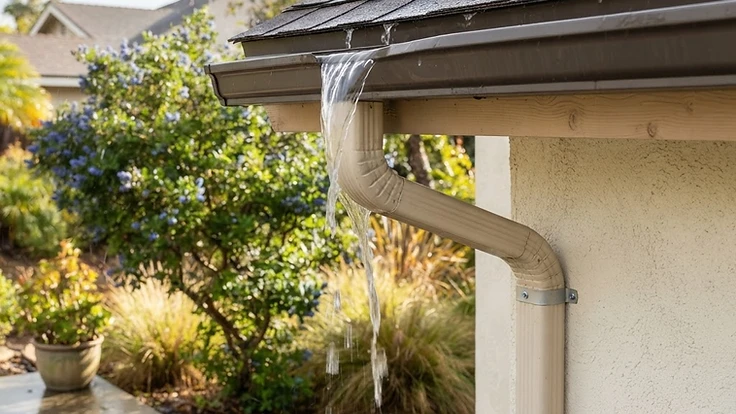
One of the most effective ways to protect your home from winter rains is ensuring your roof drainage system is clear. Over the dry months, debris like leaves and twigs often accumulates in gutters, creating blockages that cause water to overflow toward your siding or foundation. In Los Angeles, heavy rain events can quickly overwhelm clogged gutters, leading to interior leaks. Spend time clearing all debris from your gutters and downspouts. Ensure that your downspout extensions are directing water at least five feet away from your home's foundation. If you notice leaks in the gutter seams, use a high quality sealant to patch them before the first storm arrives. Proper drainage is the first line of defense for any residential or commercial property.
Inspecting Your Roof for Vulnerabilities

Your roof is the primary barrier against the elements. Even a small hole or a loose shingle can become a major entry point for moisture during a storm. Carefully inspect your roof for signs of wear, such as cracked tiles or missing shingles. Pay close attention to flashings around chimneys, skylights, and vents, as these are common spots where water penetrates. If you are uncomfortable climbing on your roof, consider hiring a professional for a property damage inspection to identify potential trouble areas. Catching these issues early is far less expensive than dealing with the aftermath of water infiltration inside your ceilings and walls. Staying dry starts with a sound exterior shell that can withstand seasonal weather changes.
Evaluating Exterior Grading and Landscaping
The soil around your home should slope away from the foundation to prevent pooling. If you notice low spots in your yard near your walls, fill them with compacted soil to direct runoff toward the street or storm drains. In regions like Santa Clarita where soil conditions vary, proper grading is critical to prevent water from accumulating near your crawlspace or basement walls. Consider adding gravel or stone to high traffic areas where mud buildup might trap moisture. Also, ensure that all exterior vents for crawlspaces are free of obstructions. Keeping the ground around your home sloped correctly is a simple yet vital task that prevents hydrostatic pressure from forcing moisture into your home, which is a common cause of significant water damage.
Sealing Windows and Doorways
Wind-driven rain can easily force water through gaps in your home's envelope. Inspect the weather stripping around all doors and windows to ensure they form a tight seal. If the rubber or felt material is cracked or peeling, replace it immediately to keep your home airtight and dry. Additionally, check the caulking around exterior door frames and window sills. Old caulk can shrink and crack over time, allowing water to seep into the wall structure behind your siding. Applying a fresh bead of silicone-based exterior caulk provides a durable barrier against moisture. For larger gaps, use foam backer rods before applying the caulk. Taking these small steps in preparation helps maintain your indoor environment throughout the wet season.
Checking for Signs of Existing Moisture
Before the rain begins, walk through your home and check for signs of existing moisture or past leaks. Look for water stains on ceilings, bubbling paint on walls, or a musty odor in closets and basements. These are often signs of underlying issues that could worsen once the rainy season starts. If you discover moisture, it is important to address it before it leads to more complex problems. You can consult our blog/signs-of-hidden-water-damage for more tips on spotting these issues. If you find significant moisture, consider calling a professional to ensure your home is structurally sound. Being prepared now saves you from the stress and expense of dealing with extensive water cleanup during a major storm.
When to Call a Professional
Despite your best preparation efforts, some situations require professional intervention. If you notice active roof leaks during a storm, significant flooding in your yard that threatens your structure, or a burst pipe, you should contact a professional immediately. Rescue Water Damage Restoration has been serving the area since 1990 and is available 24/7 to handle emergencies at (866) 244-0922. We provide expert flood cleanup and emergency response to help restore your property. Whether you are in Los Angeles or other parts of Southern California, we are here to help. Do not wait for moisture to cause permanent structural damage or health issues. When your home is compromised, rely on our experienced team for professional service and peace of mind.
Maintaining Your Home During the Season
Maintenance does not end when the first rain falls. Periodically check your home during the season to ensure your preventative measures are still working. Listen for the sound of dripping water in attics or walls during heavy rains. Check your interior window sills for moisture after high winds. If you find that your home is struggling to stay dry, do not ignore these signs. Timely action prevents small leaks from becoming large scale disasters. We support homeowners and businesses throughout Southern California by offering comprehensive restoration services. If you ever need help, feel free to visit our contact page or call us directly. Staying vigilant throughout the winter helps ensure that your property remains safe, dry, and in good condition all year long.
Frequently asked questions
How often should I clean my gutters?
It is best to clean your gutters at least twice a year, ideally right before the start of the rainy season and again in mid-winter to ensure they remain clear of debris.
What is the best way to keep water away from my foundation?
Ensure your downspouts extend at least five feet away from the home and verify that the soil grade slopes away from the foundation to prevent water from pooling near the structure.
Who should I call if I find flooding during a storm?
If your home experiences flooding, contact Rescue Water Damage Restoration at (866) 244-0922. We are available 24/7 to assist with flood cleanup and emergency needs throughout Southern California.
Sources and further reading
- EPA: A Brief Guide to Mold, Moisture, and Your Home
- IICRC S500 Standard for Professional Water Damage Restoration


